
Understanding Sports Broadcasting Fundamentals
What is Sports Broadcasting?
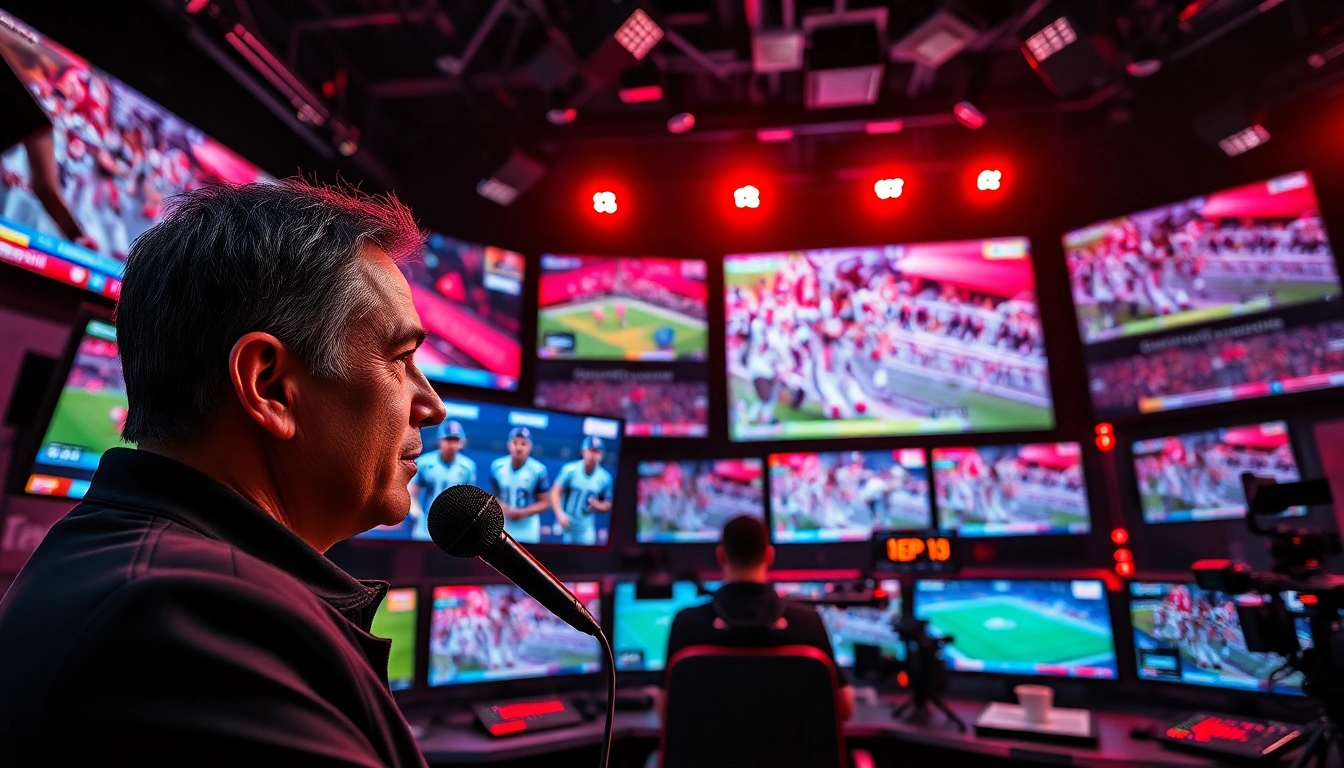
Sports broadcasting refers to the distribution of sports-related content across various media, including television, radio, and online platforms. It encompasses live events, pre- and post-game analysis, and commentary that delves into sports stories, enhancing the viewing experience for fans. The primary goal of sports broadcasting is to provide audiences with access to sporting events and related content, engaging millions of viewers around the globe. With the rise of digital platforms, the definition of sports broadcasting has evolved, incorporating streaming services that allow viewers to watch their favorite sports anytime and anywhere. A notable aspect of modern sports broadcasting is its integration with technological advancements, making viewing experiences more interactive and immersive. The landscape of Sports Broadcasting is continuously transforming, leading to new opportunities and challenges for broadcasters and audiences alike.
The Evolution of Sports Broadcasting
The journey of sports broadcasting can be traced back to the early 20th century, starting with radio broadcasts focusing on major sporting events. The first major sporting event broadcasted was the 1921 baseball game between the Philadelphia Athletics and the Chicago White Sox. This significant milestone paved the way for widespread radio coverage of various sports. The advent of television in the mid-20th century marked a monumental shift, as broadcasts began to reach a larger audience, enhancing the visibility and popularity of sports.
Throughout the years, technological developments have significantly impacted sports broadcasting. Innovations like instant replay began to offer viewers a deeper understanding of the action, while satellite technology expanded coverage boundaries, allowing global audiences to engage with live events. In the late 1990s, the rise of the internet introduced new dimensions to sports broadcasting, laying the foundation for streaming services and social media engagement that characterize today’s landscape.
Key Roles in Sports Broadcasting
Numerous key roles contribute to the successful execution of a sports broadcast, each playing a vital part in delivering content to viewers. These roles include:
- Commentators: Usually experienced journalists or former athletes, they provide live commentary that adds context and insight, enriching the viewer’s experience.
- Producers: They oversee the production of broadcasts, ensuring that everything runs smoothly, from the on-screen graphics to the camera angles chosen during live play.
- Directors: Tasked with managing the overall vision of the broadcast, they decide which camera angles and formats to use to create the most engaging viewing experience.
- Editors: In post-production, editors piece together footage for highlights, recap shows, and promotional material, showcasing the best moments from the event.
- Technical Crew: This includes sound engineers and camera operators who ensure all technical aspects are functioning seamlessly to convey the best possible picture and sound quality.
Technology’s Role in Sports Broadcasting
Emerging Technologies in Broadcasting
Emerging technologies are profoundly reshaping sports broadcasting, increasing the quality and accessibility of content. High-definition (HD) and ultra-high-definition (UHD) broadcasts provide viewers with stunning visuals that enhance their overall experience. Additionally, technologies like virtual and augmented reality are enabling immersive viewing options, allowing fans to feel as if they are a part of the action, regardless of where they are located.
The integration of artificial intelligence (AI) and machine learning also offers broadcasters innovative tools for data analysis, improving content delivery and audience engagement. AI can analyze viewer preferences to suggest personalized content, while machine learning can enhance the accuracy of analytics and predictions related to game outcomes and player performance.
Impact of Streaming Services
The rise of streaming services has revolutionized the way audiences consume sports content. Traditional broadcast methods are being challenged by the convenience and flexibility of on-demand services that cater to individual viewer preferences. These platforms often provide enhanced user interfaces, allowing fans to watch events live or access them later, thus broadening the audience demographic.
Sports leagues are increasingly partnering with streaming platforms to reach younger audiences who favor mobile devices and digital content. This has not only expanded viewership but has also altered how advertising and sponsorships are structured in the sports broadcasting ecosystem. As streaming becomes the norm, broadcasters must continually innovate to retain viewer interest and engagement.
The Future of Viewing Sports
The future of sports broadcasting promises a blend of advanced technology, personalized content, and new viewing formats. As consumer preferences evolve, broadcasters are expected to innovate further and embrace trends like gamification and enhanced interactivity during live events.
AI-driven analytics will likely facilitate more responsive production decisions, providing teams and broadcasters with real-time statistics about audience preferences and engagement levels. Furthermore, with the ongoing development of technology, the concept of “watch parties,” where fans can interact while watching events together, is set to gain traction. This interactive model will redefine the viewing experience and foster a sense of community among fans.
Audience Engagement in Sports Broadcasting
Techniques to Engage Viewers
Engaging viewers is crucial for the success of any sports broadcast. Various techniques can enhance viewer engagement and retention:
- Interactive Polls: Incorporating polls during broadcasts allows viewers to participate in discussions, offering a sense of involvement and community.
- Behind-the-Scenes Content: Exclusive behind-the-scenes footage facilitates a deeper connection between fans and their favorite teams and players.
- User-Generated Content: Encouraging viewers to share their experiences and opinions can amplify engagement, making broadcasts feel more personalized.
Interactive Elements in Sports Broadcasts
Interactive elements are increasingly prevalent in sports broadcasts, elevating the viewer experience. Features such as multi-angle cameras enable fans to choose their preferred view of the event, while real-time statistics and graphics provide valuable insights as the game unfolds. The addition of live chats and social media integration allows viewers to discuss the event in real-time while interacting with broadcasters and other fans.
Moreover, companies are exploring immersive experiences using virtual and augmented reality, enabling fans to virtually step into arenas or stadiums, thus blurring the lines between virtual participation and traditional viewing.
Social Media’s Influence on Broadcasting
Social media serves as a powerful tool for enhancing audience engagement in sports broadcasting. Platforms like Twitter, Instagram, and Facebook allow broadcasters to reach wider audiences and provide real-time updates, highlights, and player interactions. Engagement on these platforms can drive awareness and elevate discussions around games, players, and events. Additionally, social media content can boost viewer anticipation ahead of live broadcasts by offering teasers and behind-the-scenes access.
Broadcasters and sports entities are increasingly utilizing social media analytics to understand audience preferences better and tailor broadcasts accordingly. This strategic approach not only enhances viewer loyalty but also shapes future broadcasting content and formatting.
Challenges in the Sports Broadcasting Industry
Legal and Rights Issues
The sports broadcasting industry faces significant challenges regarding legal and rights issues, particularly concerning broadcasting rights negotiations. Securing the rights to air specific sports can be complex, requiring broadcasters to navigate intricate contracts and agreements with leagues and franchises. Moreover, with the expansion of streaming services, competition for rights has intensified, leading to dramatically escalating costs.
Additionally, legal issues surrounding intellectual property and user-generated content are becoming increasingly prevalent. Broadcasters must ensure compliance with copyright laws and navigate the challenges associated with sharing digital content across various platforms.
Maintaining Audience Trust
Fostering and maintaining audience trust is imperative in sports broadcasting. With the growth of misinformation and rumors facilitated by social media, establishing credibility becomes a challenge. Broadcasters need to ensure accurate information is conveyed and promptly address any inaccurate reports to sustain viewer trust and loyalty.
Professionalism, transparency, and responsiveness to audience concerns are vital components of building trust in sports broadcasting. Engaging with the audience and actively addressing feedback can create a more transparent broadcasting environment, encouraging higher viewer retention.
Competition Among Broadcasters
The sports broadcasting market is characterized by fierce competition among broadcasters and streaming platforms vying for audience attention. As viewer preferences shift towards non-traditional formats, broadcasters are compelled to innovate continually, exploring new programming ideas, content formats, and advertising models.
Understanding audience metrics and preferences can help broadcasters tailor their offerings to remain relevant in a crowded marketplace. Compelling storytelling, diverse content, and enhanced viewer engagement are key strategies for differentiating offerings in an increasingly competitive environment.
Key Metrics for Success in Sports Broadcasting
Measuring Audience Reach
Measuring audience reach is critical to evaluating the success of any sports broadcast. Metrics such as television ratings, streaming views, and website traffic provide valuable insights into how many viewers are engaging with the content and which platforms are most effective. Broadcasters can utilize analytics to identify peak viewing times, demographics, and regional preferences for enhanced targeting.
Leveraging this data enables broadcasters to forecast future audience trends, tailor content accordingly, and develop targeted marketing campaigns that resonate with varied audiences.
Analyzing Viewer Feedback
Viewer feedback is an invaluable resource for understanding audience preferences and improving broadcasts. Techniques such as surveys, focus groups, and social media interactions can help gather insights directly from viewers. Analyzing this feedback provides broadcasters with actionable information that can shape future programming decisions.
Furthermore, monitoring viewer engagement during broadcasts—such as audience retention rates and interaction levels—can inform immediate changes to improve the overall experience.
Strategies for Performance Improvement
To ensure continuous improvement in sports broadcasting, organizations should adopt various strategies focused on performance enhancement. Key strategies include:
- Regular Training: Providing ongoing training for broadcast staff updates teams on new technologies and industry trends.
- Embracing New Technologies: Staying abreast of emerging technologies ensures broadcasters maintain competitive edges in the market.
- Iterative Content Development: Utilizing feedback loops to continuously refine broadcast content fosters an adaptive production approach that meets audience demands.
FAQs
What is sports broadcasting?
Sports broadcasting involves distributing sports-related content through television, radio, and online platforms, providing audiences access to live events and sports commentary.
How has technology transformed sports broadcasting?
Technological advancements like HD/UHD broadcasting, streaming services, and AR/VR create immersive viewing experiences and enhance audience engagement in sports broadcasts.
What role does social media play in sports broadcasting?
Social media enhances audience engagement by providing real-time updates, facilitating discussions, and offering behind-the-scenes content, thus driving viewer loyalty.
What are common challenges in sports broadcasting?
Challenges include navigating legal rights issues, maintaining audience trust amid misinformation, and facing fierce competition among broadcasters and platforms.
How can broadcasters measure success?
Success can be measured by analyzing audience reach, gathering viewer feedback, and implementing performance improvement strategies to tailor content and enhance engagement.